Regulation (EU) 2023/956 on the Carbon Border Adjustment Mechanism (CBAM) entered into force on 1 October 2023. A transitional period was in effect until the end of 2025, giving companies the opportunity to adapt to the new requirements and ensure compliance with CBAM.
What obligations do affected companies have with regard to the Carbon Border Adjustment Mechanism from 2026 onwards?
Affected companies will be required to submit an annual CBAM declaration for the previous year, starting in 2026, via the CBAM register. This declaration must include the total quantity of imported goods, the grey emissions, and the number of CBAM allowances to be surrendered. The declaration must be verified by an accredited auditor.
NEW from 1 January 2026: Goods subject to CBAM reporting – including cement, iron and steel, aluminium, fertilizers, hydrogen and electricity – may only be imported into the customs territory of the European Union by authorized CBAM declarants. Companies that are subject to CBAM reporting requirements and have not yet submitted an application for authorization should do so as soon as possible. Applications are submitted via the customs portal ( EU Trader Portal and Identity Management ).
What does CBAM regulate?
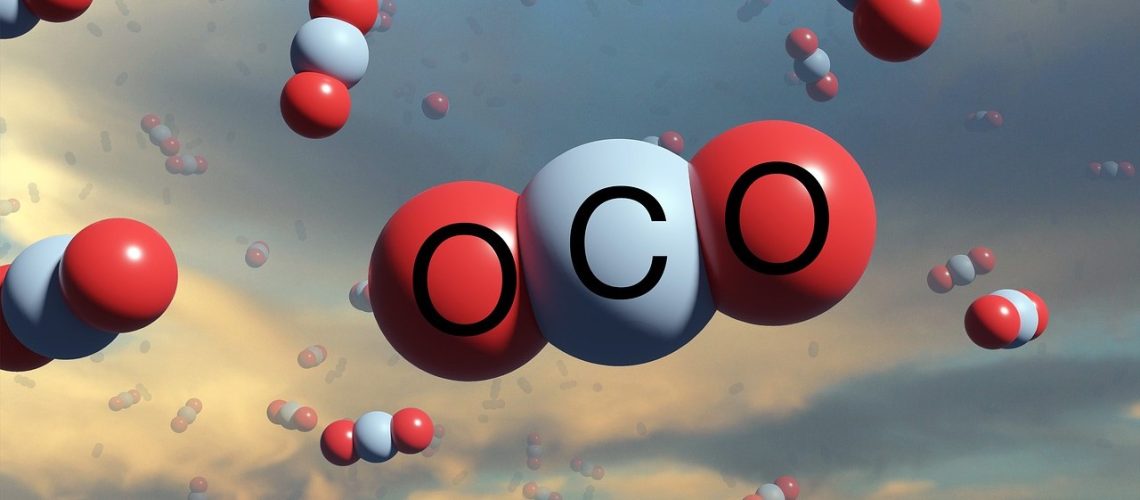
The Carbon Border Adjustment Mechanism (CBAM) is designed to prevent the relocation of production of carbon-intensive products to non-EU countries ("carbon leakage"). This aims to ensure equal environmental standards for companies both within and outside the EU. Companies that import carbon - intensive products from non-EU countries into the EU are required to purchase so-called CBAM allowances (carbon emission allowances) and surrender them to a CBAM authority.
The value of these certificates corresponds to the CO₂ price that would have been paid if the goods had been produced according to EU rules for pricing CO₂ emissions . The CBAM price is based on the average EU ETS auction prices of the previous week. If a non-EU trader can prove that they have already paid a CO₂ price for production in a third country, this amount can be credited to them.
Which goods are affected by the Carbon Border Adjustment Mechanism?
The affected products are listed in Annex I of the CBAM. The CBAM currently comprises seven product groups:
- Aluminium
- Iron & Steel
- Mineral products (e.g. cement)
- Inorganic chemicals
- Fertilizer
- Electricity
- Hydrogen
The list of product groups is expected to be expanded, for example to include polymers and organic chemicals. By 2030, the border adjustment mechanism is intended to cover all sectors of the EU Emissions Trading System.
Further information, webinars and support documents on the Carbon Border Adjustment Mechanism can be found on the EU website.
Do you have questions about legal aspects of the environment, energy, and occupational safety that affect your company? Feel free to contact us!
Your contact person at Arqum: Florian Götz
Version of 2.2.2026
The content on this page reflects the current state of affairs at the time of publication. Please note that the legal situation may change in the future.